
How to Earn Money From Equipment You Already Own
Many individuals possess equipment that sits idle, representing untapped potential for income generation. This article explores various strategies to monetize your existing assets, focusing on the equipment hire market in Australia. By understanding how to effectively rent out your equipment, you can transform these idle assets into a source of revenue. The guide will cover the current trends in the equipment hire market, preparation steps for your equipment, marketing strategies, and insights into industry-specific opportunities. Whether you own excavators, cranes, or loaders, there are numerous ways to earn money renting equipment, especially in sectors like mining and construction.
This approach aligns with the growing trend of ‘Equipment as a Service,’ where assets are monetized based on their usage.
Equipment as a Service: Usage-Based Business Models
“Equipment as a service” is perhaps one of the most drastic examples of usage-based BMI in the field today. To date, a systematic analysis of this phenomenon is lacking.
Equipment as a service: The transition towards usage-based business models, I Stojkovski, 2021
Understanding Equipment Hire Market
The equipment hire market in Australia has seen significant growth, driven by increasing demand in sectors such as mining, construction, and rail. This market offers a lucrative opportunity for individuals looking to earn money from equipment they already own. The rise in construction projects and infrastructure development has created a robust demand for various types of industrial equipment. By renting out your equipment, you can capitalize on this trend and generate a steady income stream.
The potential income from renting equipment varies based on the type of machinery and its usage frequency. For instance, heavy machinery like “excavators and cranes” can command higher rental rates, especially in urban development projects. Understanding these dynamics is crucial for maximizing your earnings in the equipment hire market.
Beyond just understanding market dynamics, successful equipment rental involves complex economic decisions related to the entire lifecycle of the machinery.
Heavy Equipment Rental: Economic Decisions & Profitability
The management of heavy construction equipment is a difficult task. Equipment managers are often called upon to make complex economic decisions involving the machines in their charge. These decisions include those concerning acquisitions, maintenance, repairs, rebuilds, replacements, and retirements. The equipment manager must also be able to forecast internal rental rates for their machinery. Repair and maintenance expenditures can have significant impacts on these economic decisions and forecasts.
A Critical Literature Review On Comparitive Analysis Of Construction Equipments–Rent And Buy, J Pitroda, 2015
Expanding Opportunities: From Big Town Heavy Equipment to Small Town Tools
While big towns and cities offer great profitability through heavy equipment rentals, there is also significant opportunity in smaller towns and rural areas. Equipment such as lawn mowers, trailers, and other smaller tools often sit idle but can be a valuable source of income if rented out locally. These items may not command the high margins of heavy machinery, but they provide steady, accessible income streams for local owners.
Small town equipment owners should consider listing their items for hire to tap into local demand. Whether it’s a lawn mower for seasonal yard work or a trailer for moving goods, these everyday tools can attract renters who prefer convenient, nearby options. By catering to this market, you diversify your rental portfolio and increase overall earning potential.
Maintaining your smaller equipment in good condition and marketing it effectively within your community can make a big difference in rental success. This approach complements the heavy equipment market, ensuring you benefit from both high-margin rentals and consistent local demand.
Preparing Your Equipment for Hire
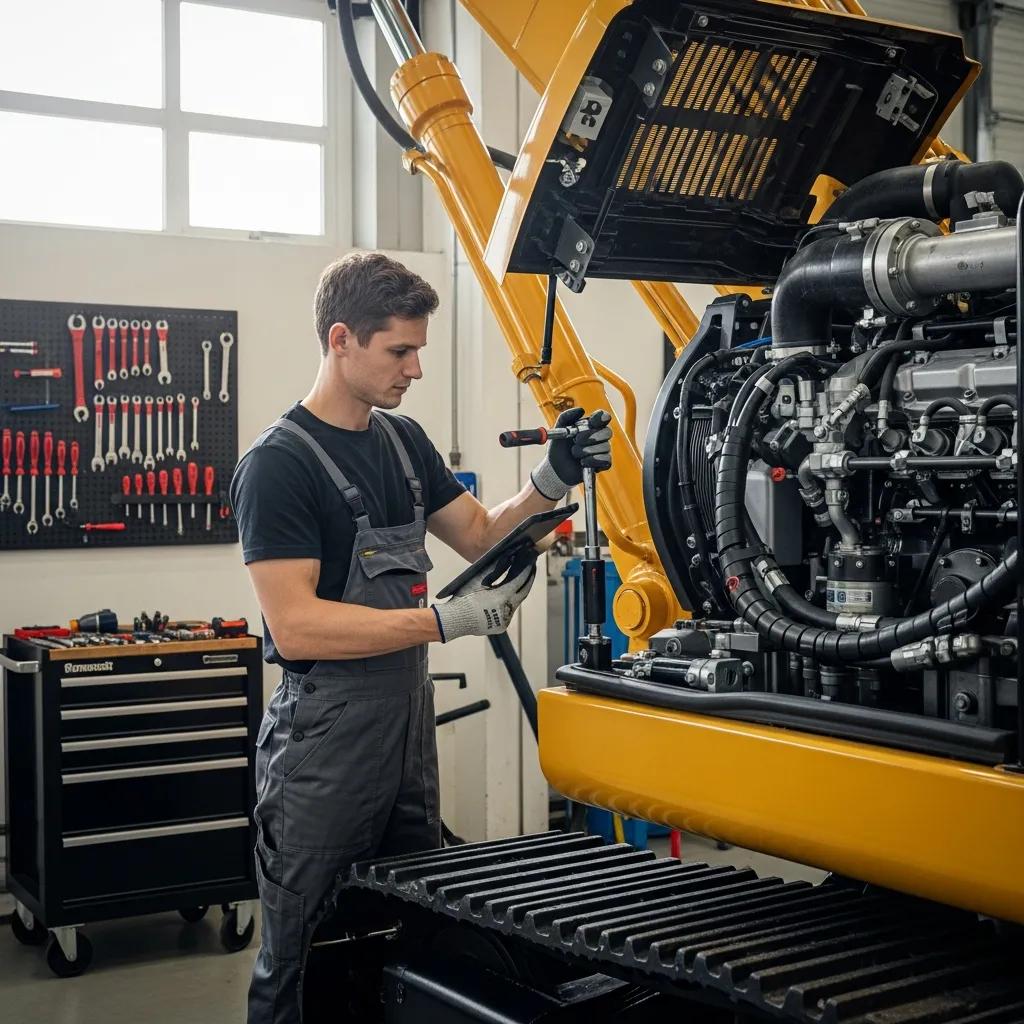
Before listing your equipment for hire, it’s essential to ensure that it is in optimal condition. Here are key steps to prepare your equipment:
- Conduct Maintenance Checks: Regular maintenance ensures that your equipment is safe and functional, which is crucial for attracting renters.
- Gather Documentation: Prepare all necessary documentation, including ownership proof, maintenance records, and safety compliance certificates.
- Ensure Safety Compliance: Adhering to safety regulations not only protects you but also builds trust with potential renters.
By taking these steps, you can enhance the appeal of your equipment and increase your chances of securing rental agreements.
Listing and Marketing Your Equipment
Effectively marketing your equipment is vital for attracting potential renters. Here are some strategies to consider:
- Use HireAssets Platform: List your equipment exclusively on HireAssets to reach a targeted audience interested in equipment hire.
- Implement Targeted Marketing Strategies: Identify your target audience, such as construction companies, contractors, or local homeowners, and tailor your marketing efforts to meet their needs.
- Highlight Unique Features: When listing your equipment, emphasize its unique features and benefits, such as fuel efficiency, ease of use, or advanced technology.
By leveraging these marketing strategies, you can increase visibility and demand for your equipment across both large and small markets.
Managing Hire Agreements and Payments
Once you start renting out your equipment, managing hire agreements and payments becomes crucial. Here are best practices to follow:
- Draft Clear Hire Agreements: Ensure that your agreements outline all terms, including rental duration, payment terms, and liability clauses.
- Choose Reliable Payment Processing Options: Select payment methods that are secure and convenient for both you and the renter.
- Establish Dispute Resolution Strategies: Prepare for potential disputes by having clear procedures in place for addressing issues that may arise during the rental period.
Effective management of these aspects will help you maintain a professional relationship with renters and ensure a smooth rental process.
Industry-Specific Insights and Opportunities
Different industries present unique opportunities for equipment rental. In sectors like mining and construction, the demand for specific types of equipment can vary significantly. Here are some insights:
- Sector-Specific Equipment Demand: Understanding which types of equipment are in high demand in your local market can help you make informed decisions about what to rent out.
- Case Studies of Successful Rentals: Learning from others who have successfully rented out their equipment can provide valuable insights and strategies.
- Market Growth Projections: Keeping an eye on market trends and growth projections can help you anticipate future demand and adjust your rental offerings accordingly.
By focusing on these industry-specific insights, you can better position yourself to capitalize on emerging opportunities in the equipment hire market.
Pricing Strategies and Market Rates in Australia
Understanding pricing strategies is essential for setting competitive rental rates. Here’s a comparison of typical equipment hire rates across various sectors:
These rates can fluctuate based on demand, location, and equipment condition. By staying informed about market rates, you can set competitive prices that attract renters while ensuring profitability.
FAQs and Common Challenges
Renting out equipment can come with its own set of challenges. Here are some common misconceptions and advice for new equipment owners:
- Misconception: “I need to invest in new equipment to start renting.” Reality: Many people successfully rent out older equipment that is well-maintained and in good working condition.
- Challenge: “I’m unsure how to handle disputes with renters.”Advice: Establish clear agreements and maintain open communication to resolve issues amicably.
- Misconception: “Renting equipment is too complicated.”Reality: With the right preparation and resources, the rental process can be straightforward and profitable.
By addressing these common challenges, you can better prepare yourself for a successful equipment rental experience.
Comments